Latest In
Research
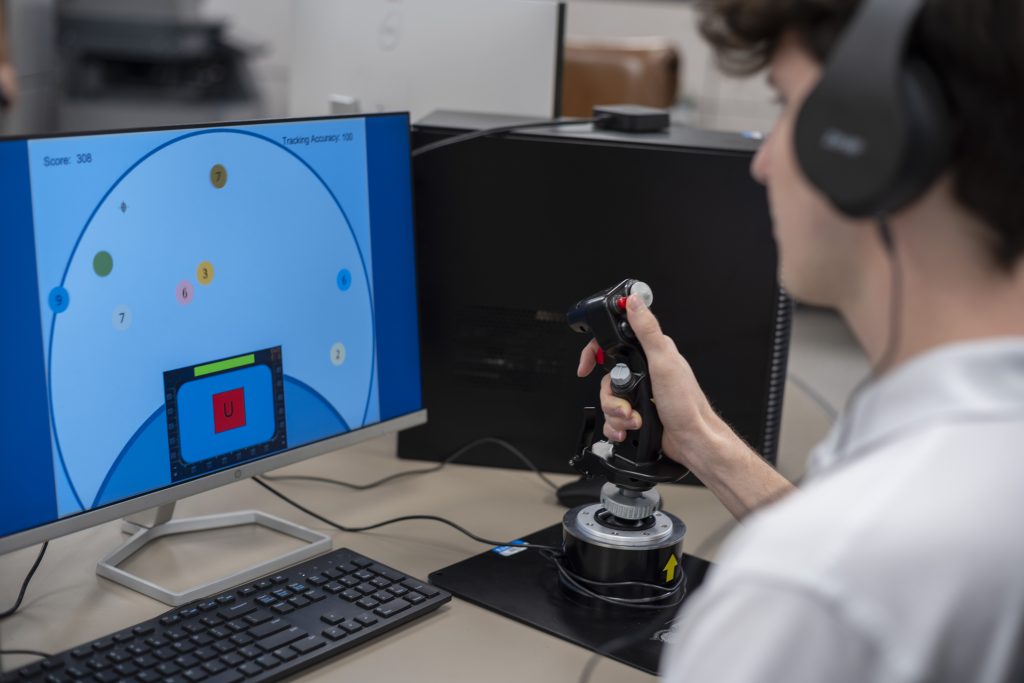
Evaluation of the Reliability and Criterion Validity of the Performance Assessment Tool. (Phillips, J. 2019)
The study was performed to address two specific aims: 1) To provide a second evaluation of PAT’s reliability across twenty sessions conducted over two days, and 2) To determine PAT’s sensitivity to the performance decrements associated with the stressor of hypoxia. In other words, this study evaluated PAT’s criterion validity in identifying hypoxia compared to another measure, CogScreen Visual Sequence Comparison, which is considered the “gold standard” for identifying hypoxia but lacks face validity.
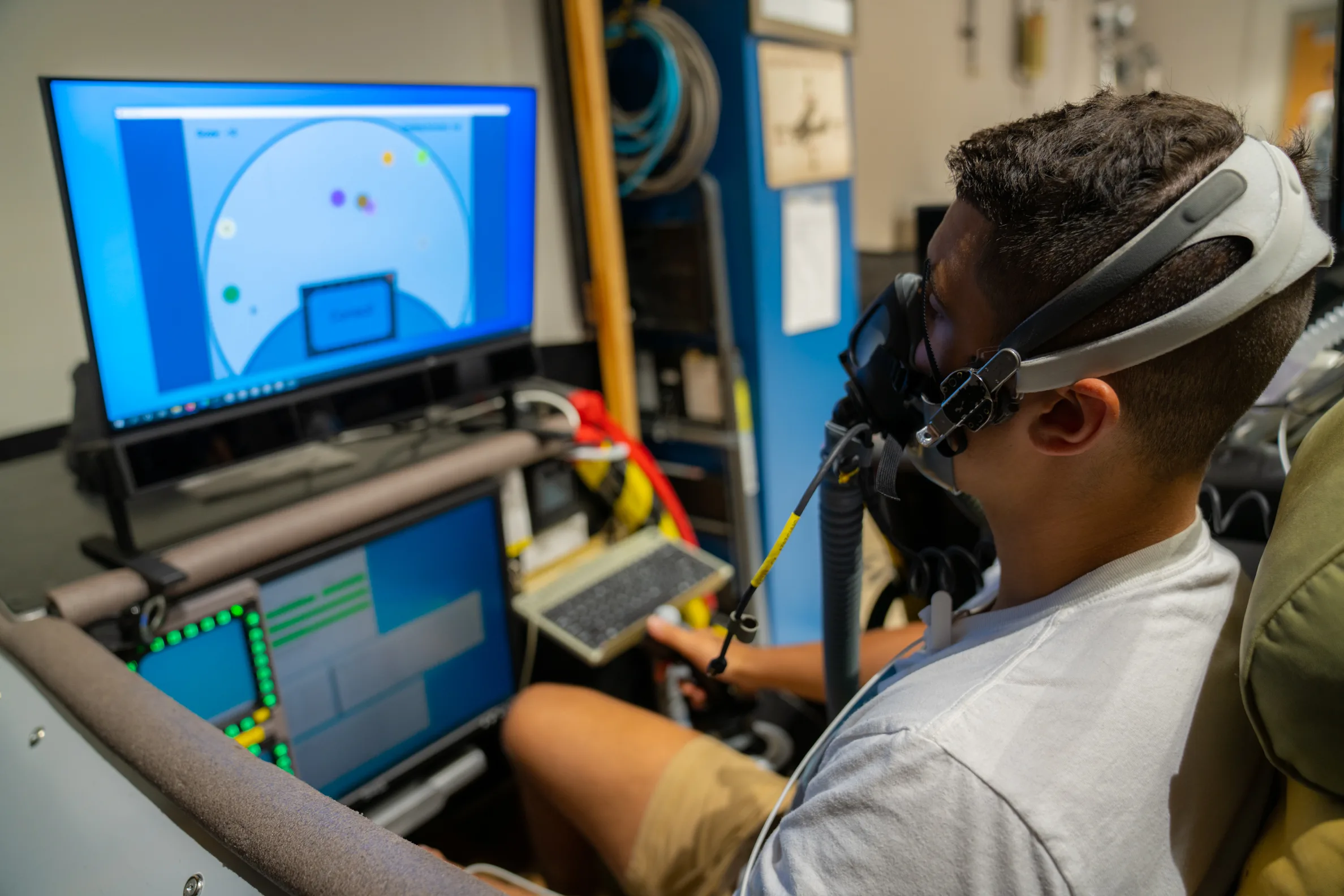
Evaluation of U.S. Air Force Performance Assessment Tool to Detect Cognitive Performance Effects of Operator Dehydration. (Phillips, J. et al., 2022)
The purpose of the reported effort was to modify PAT according to the suggestions made by Phillips (2019). This report describes how the PAT software was re-developed and details the changes made. Additionally, it presents data from a pilot study conducted to validate the re-developed software. The results of the investigation showed that the updated PAT maintained good test-retest reliability and allowed for workload manipulation by adding or removing tasks.
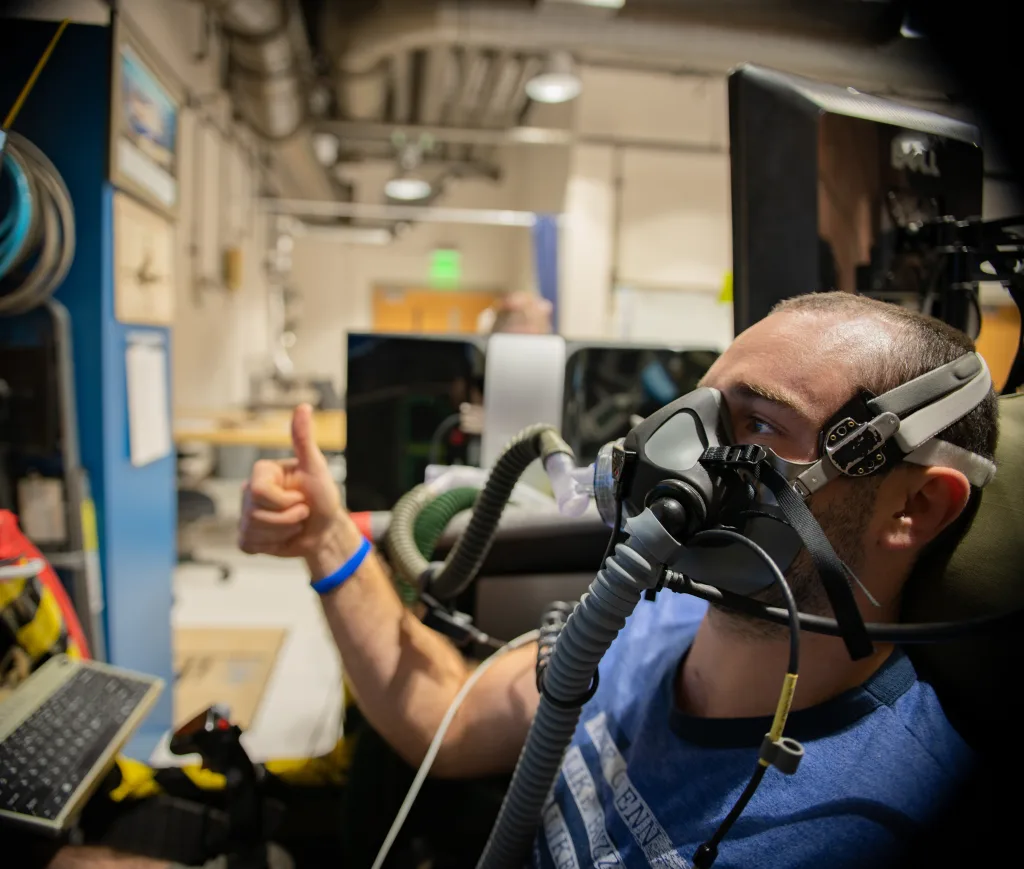
Identification of Hypercapnia Through Voice Analysis and Associated Neurological and Performance Effects (Phillips, J. et al., 2021)
This investigation aimed to develop a non-invasive method for identifying hypercapnia using a machine learning algorithm designed to detect changes in speech and breath features specific to individuals with excess arterial CO₂. Thirty-five active-duty student Naval aviators (M = 24.11 years, SD = 2.14) completed two iterations of the Performance Assessment Tool (PAT) and two reading tasks while breathing four normobaric CO₂ concentrations (1.0%, 2.5%, 4.0%, and 5.5%) for 15 minutes each. The CO₂ was delivered via an MBU-20/P flight mask.
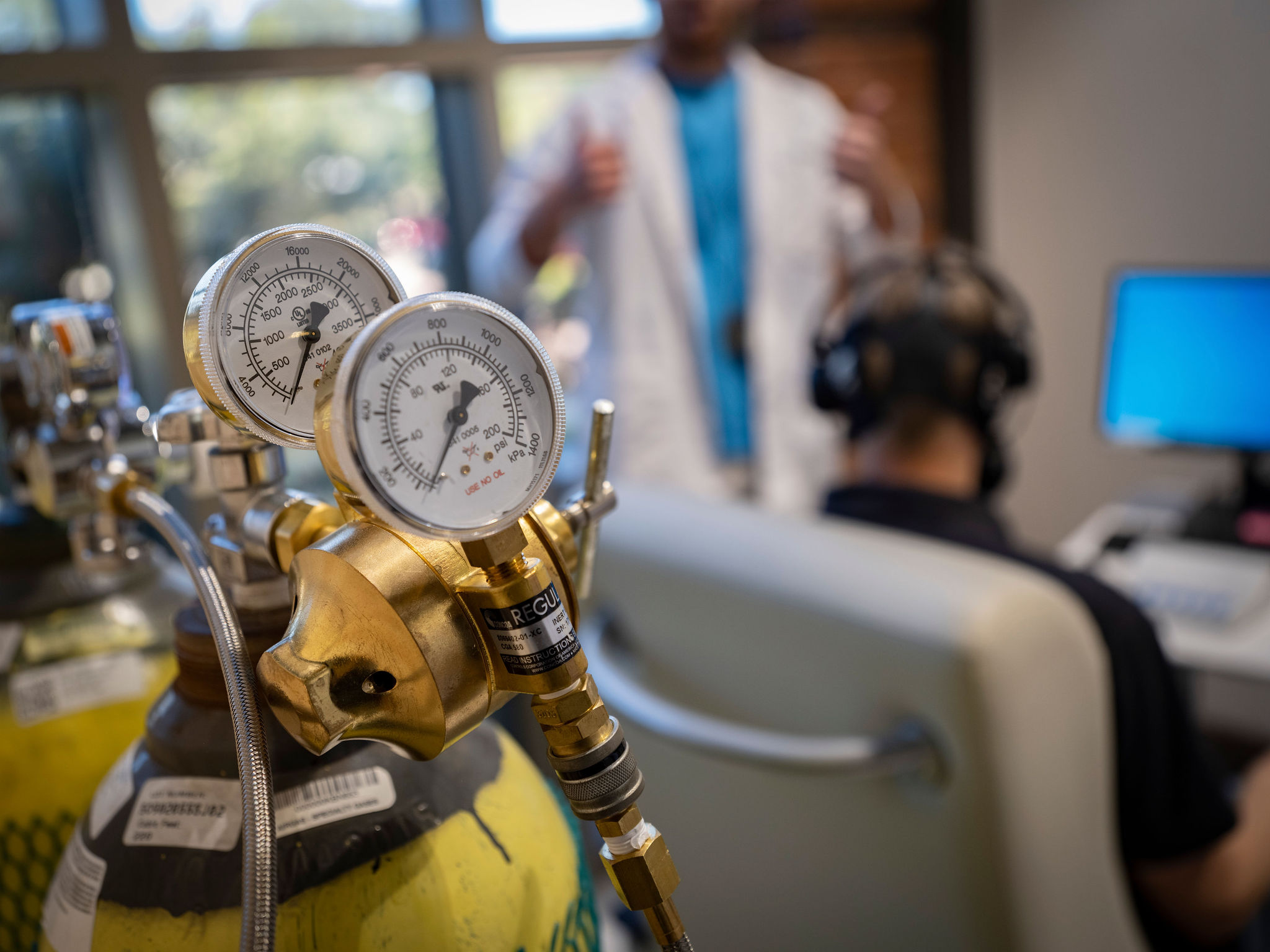
The Effect of Passive Hypohydration on Aviation Relevant Cognitive Performance (Phillips, J. et al., 2022)
This study employed a repeated-measures crossover design with Student Naval Aviators (SNAs) as participants. To isolate the cognitive performance effects of hypohydration from those of heat stress and exercise-induced fatigue, participants were hypohydrated through the administration of 80 mg of furosemide.