About CAAPES
A Cognitive Research Tool for High-Stress Aviation Environments
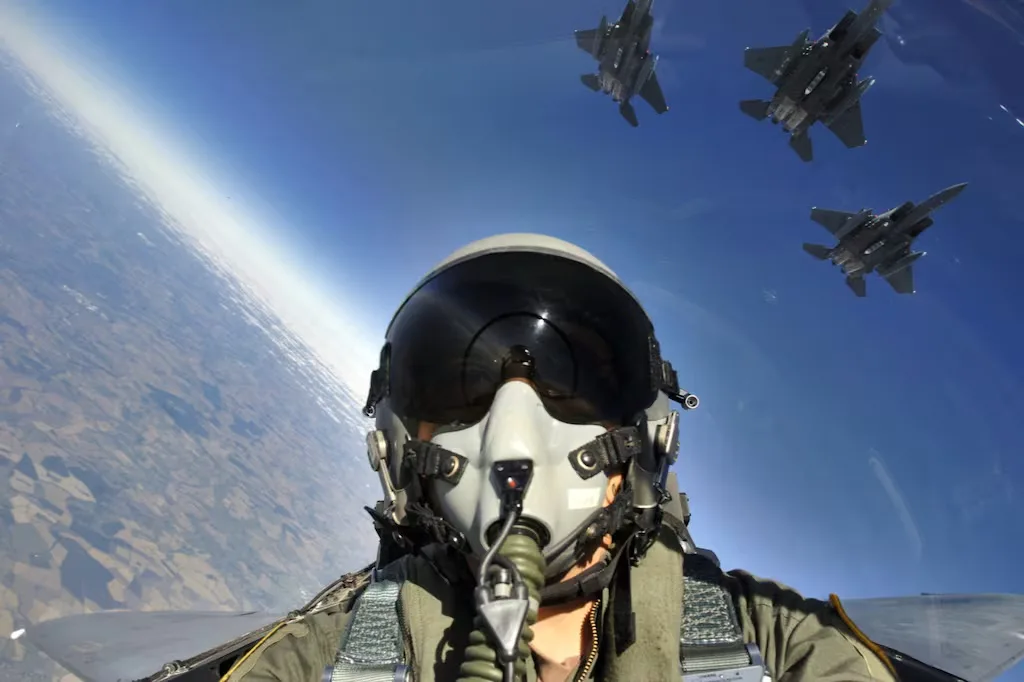
As unexplained physiological episodes (UPEs) became more prevalent in military tactical aviation, the need arose for a reliable cognitive assessment to evaluate various physiological stressors that pilots may experience in-flight.
Causes of UPEs are believed to include:
- hypoxia
- hypercapnia
- fatigue
- G-Loc (gravity-induced loss of consciousness)
- spatial disorientation
- dehydration
- and more
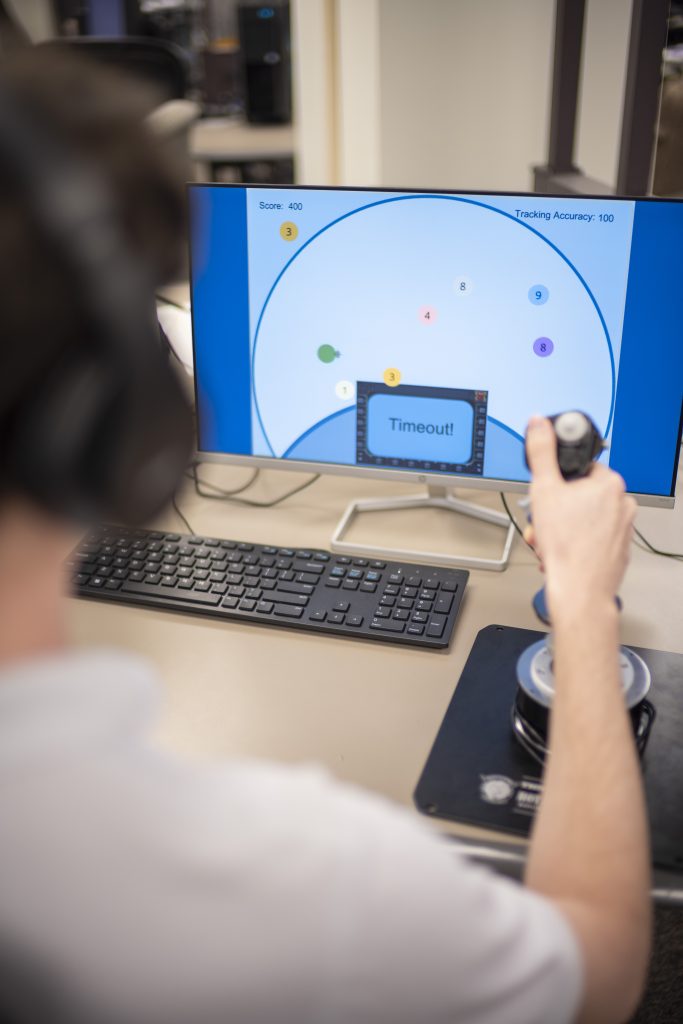
In the absence of a reliable and operationally valid cognitive test to investigate UPEs, The United States Air Force School of Aerospace Medicine (USAFSAM) developed CAAPES. CAAPES was developed to better understand and quantify the effects of operational stress on human performance and to support the development of effective mitigation strategies.
CAAPES was previously known as the ‘Performance Assessment Tool (PAT)’. Since then, this cognitive assessment has undergone multiple iterations of redesign and rigorous validation testing and now officially rebranded as CAAPES.

The Institute for Human and Machine Cognition (IHMC) is a not-for-profit research institute dedicated to pioneering technologies that enhance and extend human capabilities. IHMC has collaborated closely with AFRL to develop and refine key aspects of CAAPES, as well as to conduct experimental evaluations assessing its ability to detect neurological effects during operational exposures. IHMC is dedicated to providing researchers with an efficient, valid, and reliable psychometric test that can be easily distributed across laboratories.
| Highlight | Identifying Hypoxia-Related Performance Deficits
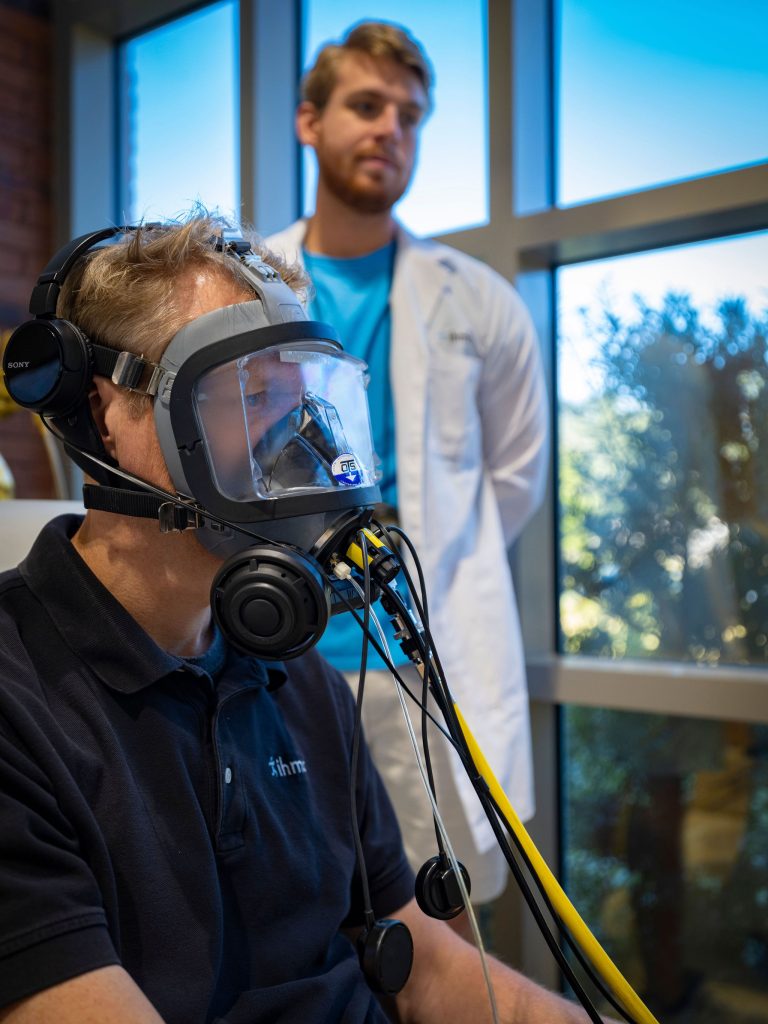
CAAPES is highly sensitive to performance deficits caused by hypoxia and other aeromedical stressors, with Phillips (2019) confirming its effectiveness in capturing these effects. Traditional psychometric tools for assessing cognitive performance under hypoxic stress, such as simple reaction time (SRT) or choice reaction time (CRT) have low test-retest reliability, leading to high variability in findings and inconsistent identification of true impairments in cognitive and physiological performance. IHMC has evaluated CAAPES test-retest reliability and found that it exceeds the psychometric standard for excellent reliability across all of its standard performance scores.(Phillips et. al. 2022).
Get Access to CAAPES Today
Register to get access to CAAPES today
Click the link to learn more & register